

LEOs & Leatherheads
Counseling for Police Officers, Corrections Officers, Firefighters, Fire Rescue & First Responders
You’ve handled situations most people only see on the news. You’ve worked long shifts, missed holidays, dealt with people on their worst days, and probably consumed enough questionable station coffee to qualify as a hazardous materials incident.
Whether your shift happens on the street, behind the walls, or at the firehouse, you’re expected to stay alert, make difficult decisions, and keep moving when things get complicated.
But who’s looking out for you when the shift is over?
At Ingram & Associates, we offer counseling for law enforcement officers—including police and corrections officers—firefighters, and other first responders.
Many of our clinicians have direct experience working with these populations. We understand that the pressures of these professions don’t always fit neatly into a typical nine-to-five conversation.
Whether you’re dealing with cumulative stress, a difficult incident, changes at home, or something you can’t quite put into words, you deserve a place where you don’t have to be the one holding everything together.
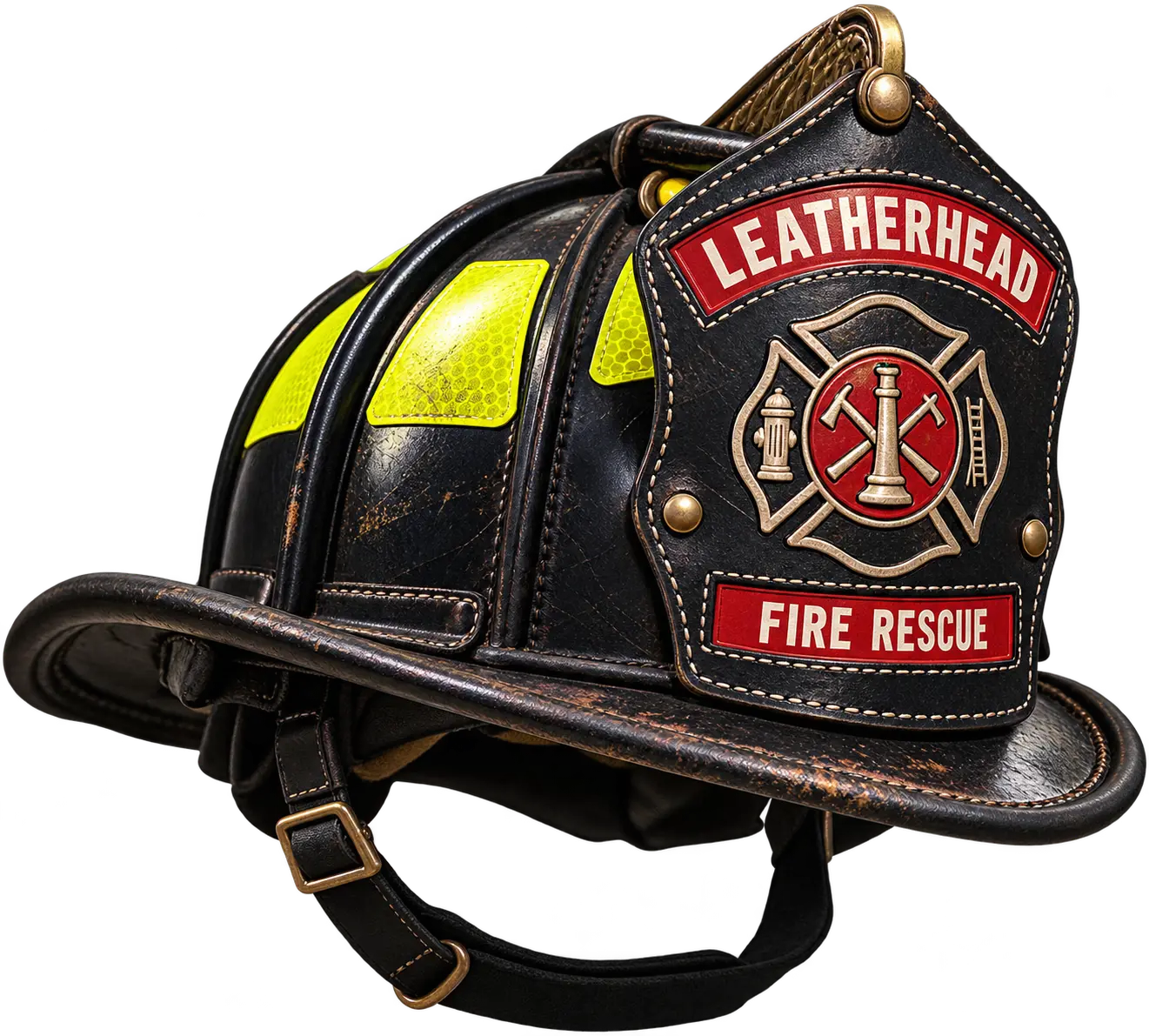
And about the name? No, you don’t have to be an actual Leatherhead to be welcome here. Whether you’ve earned the leather helmet, wear something a little more modern, or have never called yourself a Leatherhead in your life, you are welcome. We just liked the name. And let’s face it, LEOs & Leatherheads has a pretty good ring to it.
The Job Doesn’t Always End When the Shift Does
For first responders, stress doesn’t necessarily clock out when you do.
Maybe you’re replaying a call while trying to fall asleep. Maybe your patience is running thin at home. Maybe you’ve become so accustomed to staying alert that relaxing feels strangely uncomfortable.
Or maybe nothing particularly dramatic happened. It’s just been years of calls, shifts, responsibilities, and things you’ve learned to push aside.
That adds up.
First responders can experience challenges such as:
- Cumulative stress from repeated exposure to emergencies, violence, and traumatic events
- Hypervigilance and difficulty switching off after a shift
- Sleep problems, nightmares, and exhaustion
- Irritability, anger, or feeling emotionally disconnected
- Anxiety, depression, or persistent changes in mood
- Guilt, grief, or difficult memories following an incident
- Relationship strain and difficulty communicating at home
- Burnout, compassion fatigue, and loss of motivation
- Increased reliance on alcohol or other ways of coping
- Stress related to career changes, injury, or retirement
You don’t have to wait for a breaking point—or a particularly bad shift—to talk about what’s happening.
Police Officers: There’s More to Carry Than the Gear
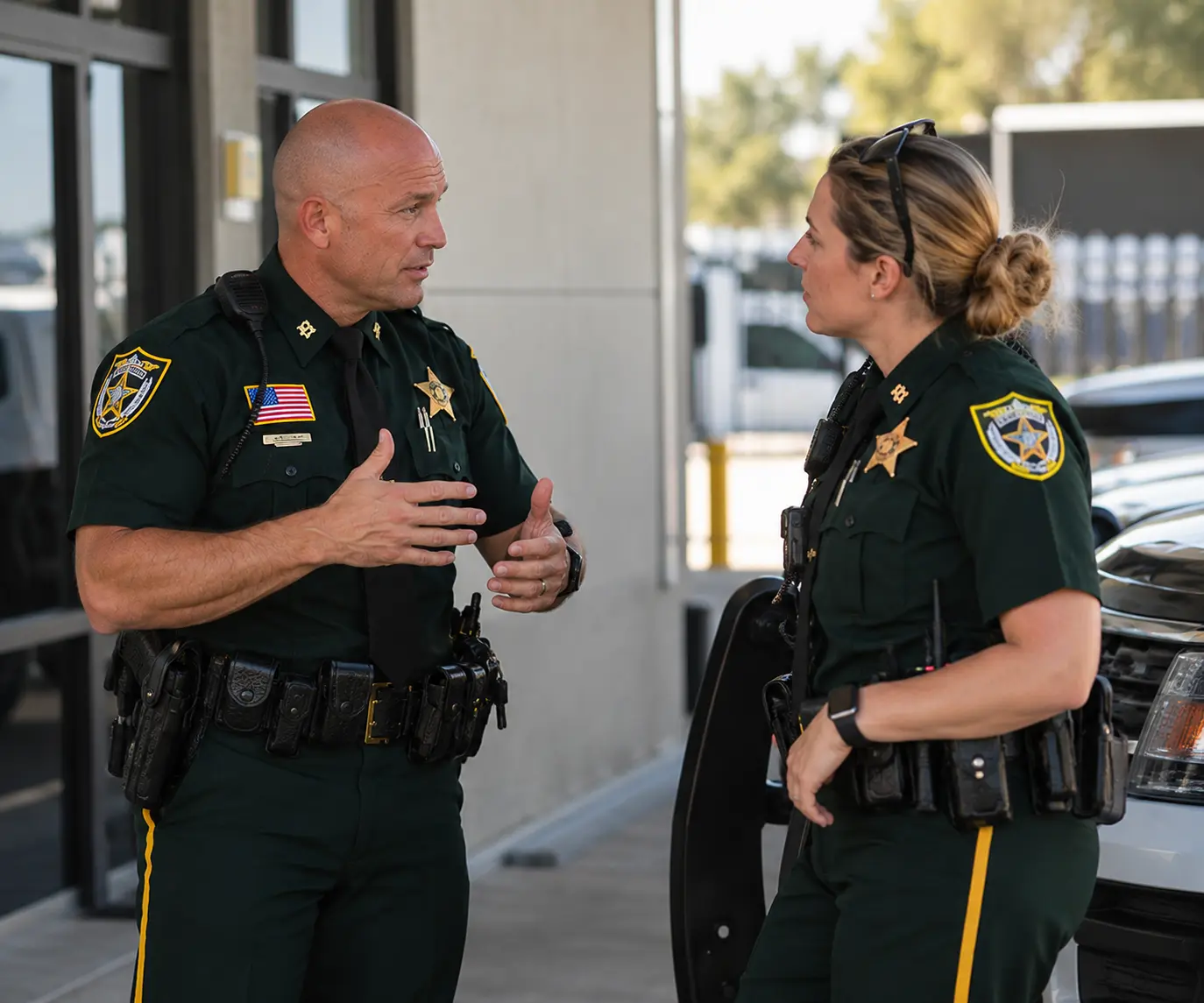
Law enforcement comes with a particular kind of pressure.
You’re expected to make decisions quickly, stay composed in unpredictable situations, and move from one call to the next, sometimes without much opportunity to process what just happened.
Add public scrutiny, administrative demands, rotating shifts, and the reality that every decision may be second-guessed, and it’s understandable that the stress can follow you home.
For some officers, the hardest part isn’t a single incident. It’s the cumulative weight of years spent staying alert, managing conflict, and seeing people in crisis.
Counseling can provide space to work through:
- Critical incidents and repeated exposure to traumatic situations
- Officer-involved incidents and their emotional aftermath
- Hypervigilance, anxiety, and difficulty feeling safe enough to relax
- Moral distress, guilt, or questions about difficult decisions
- Anger, frustration, and emotional exhaustion
- Work-related identity and the pressure to appear unaffected
- Marriage, parenting, and relationships affected by the job
You can be committed to your profession and still acknowledge that some parts of it are difficult.
Those two things aren’t mutually exclusive.
Corrections Officers: Working Behind the Walls Comes with Its Own Weight
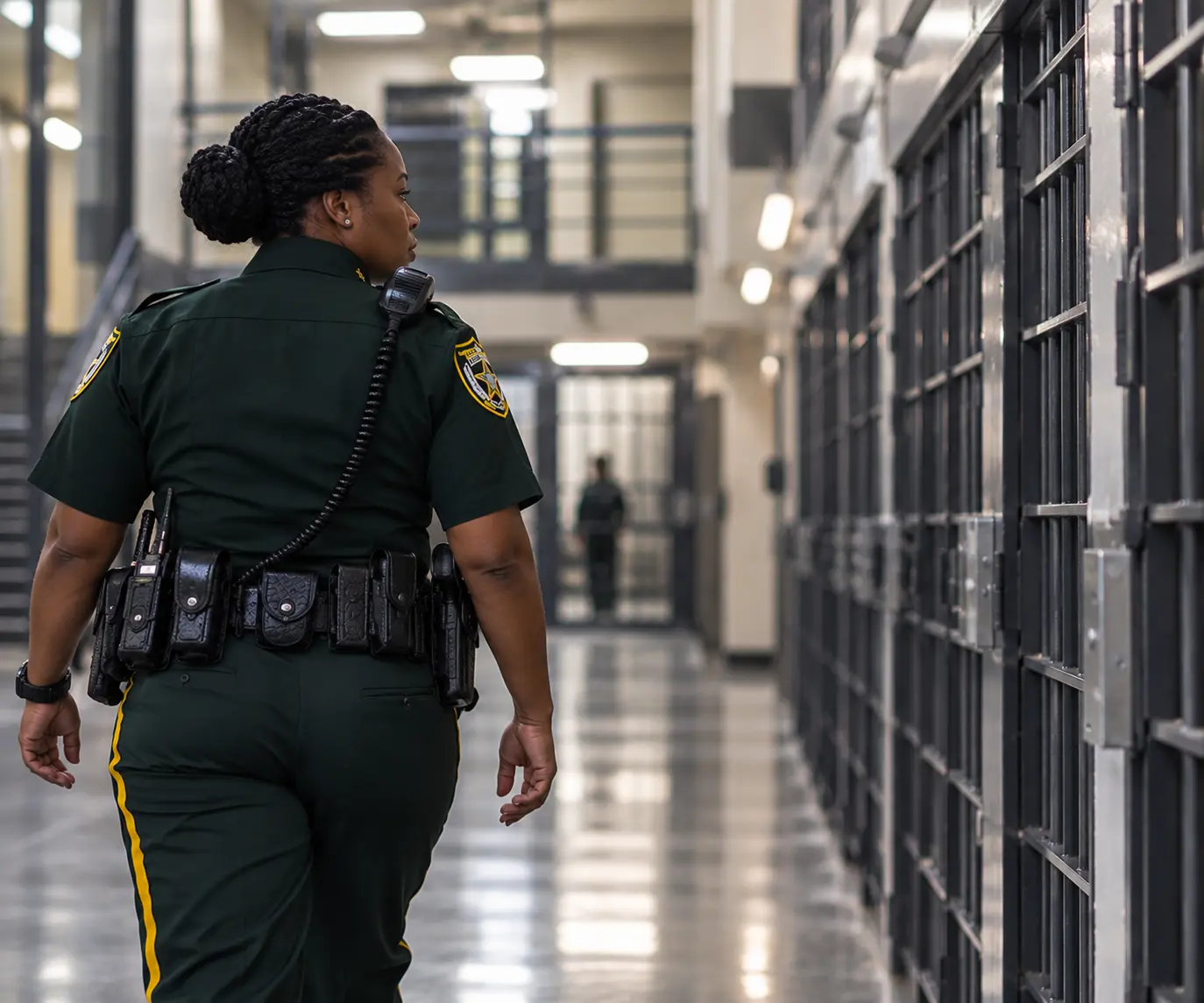
Corrections officers know that working inside a facility requires a particular kind of awareness.
You’re responsible for maintaining safety and order in an environment where tension can change quickly. You’re constantly reading situations, managing conflict, enforcing boundaries, and making decisions that affect your safety and the safety of others.
And unlike many other professions, you can’t always step away when things get difficult.
Over time, that level of vigilance can become exhausting. You may notice that you’re still scanning your surroundings when you’re off duty, struggling to relax at home, or feeling increasingly disconnected from people who don’t understand what your work involves.
Counseling can help corrections officers address:
- Chronic stress and hypervigilance
- Exposure to violence, threats, and critical incidents
- Emotional exhaustion and burnout
- Anxiety, irritability, and difficulty switching off
- Sleep disruption related to shifts and workplace stress
- Moral distress and difficult professional decisions
- Relationship strain and emotional withdrawal
- Challenges transitioning between facility life and home life
Corrections officers are often expected to be tough, composed, and ready for anything.
But spending your workday behind the walls doesn’t mean you have to keep everything bottled up once you’re outside them.
Firefighters & Fire Rescue: Not Everything Can Be Left at the Station
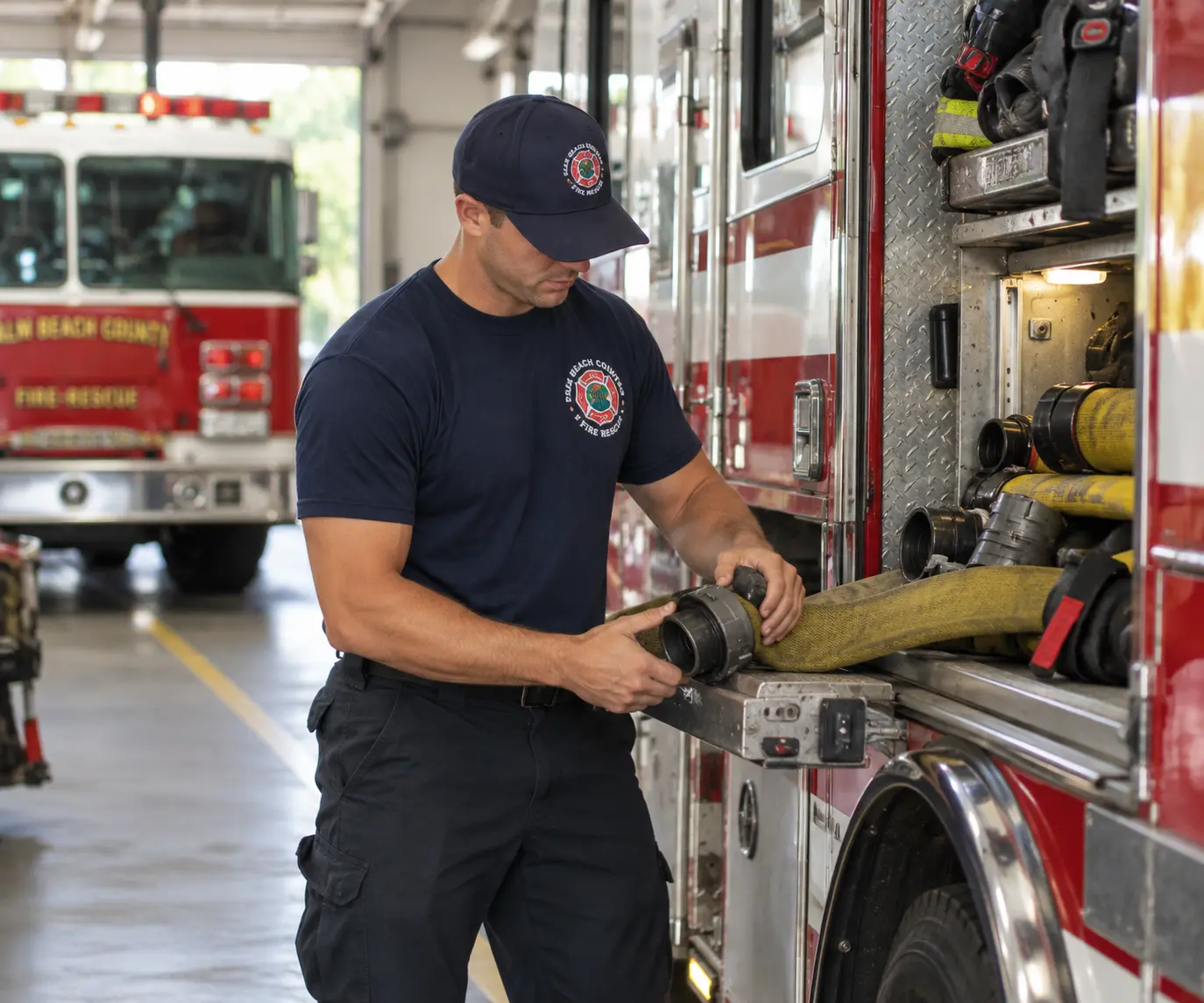
Firefighters and Fire Rescue are exceptionally good at taking care of business.
The alarm goes off, the crew responds, and everyone does what needs to be done. Then it’s back to the station, the next call, or the next shift.
But responding to fires, serious injuries, medical emergencies, fatalities, and situations involving children can leave an impression that doesn’t disappear when the equipment is put away.
There’s also the less visible side of the job: interrupted sleep, physical exhaustion, unpredictable schedules, crew dynamics, and the challenge of moving between station life and family life.
Counseling can help firefighters address:
- Stress following difficult calls and critical incidents
- Cumulative exposure to injury, death, and emergencies
- Sleep disruption and difficulty recovering between shifts
- Emotional numbness, irritability, or changes in mood
- Grief following the loss of a colleague or community member
- Burnout and feeling disconnected from the work
- Relationship strain and the challenges of returning home after a shift
- Adjusting to injury, changes in duty status, or retirement
And no, being able to carry a charged hose line doesn’t mean you’re supposed to carry everything else alone.
When the Job Starts Coming Home with You
Sometimes the people closest to you notice a change before you do.
Maybe you’re quieter after work. Maybe little things set you off. Maybe you want to be present with your family, but your mind is still somewhere between the last incident and tomorrow’s shift.
Partners and family members may not fully understand what you’ve experienced, and you may not know how—or want—to explain it.
That doesn’t mean anyone is doing something wrong.
Counseling can help you recognize how job-related stress affects communication, emotional connection, parenting, and relationships. It can also help you find ways to transition from work mode to home life without expecting yourself to flip a switch the moment you walk through the door.

You Don’t Have to Have PTSD to Benefit from Counseling
Trauma is part of the conversation in first responder mental health, but it’s not the whole conversation.
Some people experience post-traumatic stress symptoms after a particular incident. Others struggle with cumulative stress, burnout, anxiety, grief, or simply feeling worn down after years on the job.
And sometimes you just know you haven’t felt like yourself lately.
You don’t need a diagnosis to deserve support.
Counseling can be useful before problems become overwhelming, especially when you notice changes in your sleep, patience, relationships, motivation, or ability to enjoy life outside of work.
Getting help early isn’t an overreaction. It’s taking care of something important.
How Counseling Can Help First Responders
Good counseling isn’t about asking you to forget what you’ve seen, pretend difficult incidents didn’t happen, or become someone who never gets frustrated.
It’s about helping you understand how your experiences are affecting you and finding practical ways to manage what comes next.
Depending on your needs and the clinician’s training, counseling may include approaches such as cognitive behavioral therapy (CBT), trauma-focused interventions, stress-management strategies, and skills for emotional regulation.
Together, you and your therapist may work on:
- Processing difficult experiences at a manageable pace
- Managing anxiety, hypervigilance, and stress responses
- Improving sleep and developing healthier recovery routines
- Recognizing burnout before it takes over
- Addressing anger, guilt, grief, or emotional disconnection
- Strengthening communication with partners and family
- Building coping strategies that work with shift schedules and real-world demands
- Reconnecting with interests, relationships, and life outside the uniform
There’s no requirement to tell your entire story in the first session. You can start wherever you’re comfortable.

What About Confidentiality?
We understand that privacy can be a major concern for first responders.
You may worry about who will know you’re attending counseling, whether it could affect your career, or what happens to the information you share.
Those are reasonable questions, and you deserve clear answers.
Counseling generally includes important privacy protections, along with legal and ethical exceptions. Your therapist can explain confidentiality, its limits, and any circumstances that may involve disclosure before you begin.
If you have concerns about employer-sponsored services, fitness-for-duty evaluations, or department policies, we encourage you to ask about those distinctions directly.
You should understand the process before deciding what’s right for you.
First Responder Counseling in Royal Palm Beach and Across Florida
At Ingram & Associates, we provide a welcoming space for police officers, corrections officers, firefighters, and other first responders navigating the personal side of demanding careers.
Many of our clinicians have direct experience working with these populations, and we recognize that understanding the culture surrounding the job matters just as much as understanding the stress it can create.
Whether you’re early in your career, approaching retirement, or somewhere in the middle of a particularly exhausting stretch, counseling can help you make sense of what you’re carrying.
We offer in-person counseling in Royal Palm Beach, Florida, and telehealth appointments throughout Florida.
You spend a lot of time being the person others call when they need help.
It’s okay to have someone in your corner, too.